
New BIM MEP Rules in Europe (2026): A Practical Guide for Consultants & Design Teams
Why BIM MEP Has Become a Real Problem Area
Across Europe, BIM is no longer a future goal.
It is already part of contracts, tenders, and compliance checks.
For MEP consultants, this shift has created daily working problems:
-
More coordination responsibility
-
Higher expectations from clients
-
Stricter audits of models and data
-
Less time to fix mistakes
Many design teams are technically strong but struggle with BIM process pressure rather than engineering itself.
This blog explains:
-
What the new BIM MEP rules in Europe really mean
-
Where projects usually fail
-
How consultants manage the workload without burning internal teams
What Has Changed in BIM MEP Rules (2025–2026)
1. BIM Is Now a Contractual Requirement
In many European countries, BIM is mandatory for:
-
Public sector projects
-
Infrastructure works
-
Large commercial developments
For MEP teams, this means:
-
BIM models are checked, not just submitted
-
Missing coordination is considered non-compliance
-
Late clash resolution is no longer acceptable
Earlier, BIM was “recommended.”
Now, it is measured.
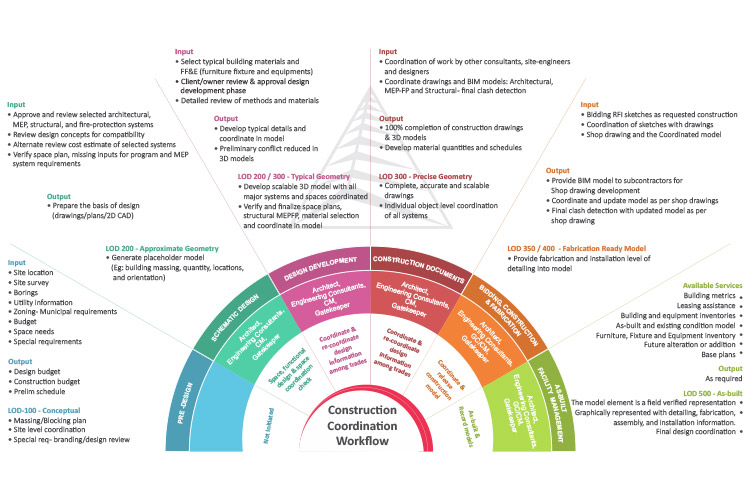
2. MEP Coordination Is Expected Early
A common mistake is using BIM only after layouts are frozen.
Current expectations:
-
MEP coordination during concept and schematic stages
-
Clear service zones before detailed design
-
Early clash detection with structure and architecture
Projects that delay BIM coordination usually face:
-
Rerouting chaos
-
Design revisions
-
Site conflicts
3. ISO 19650 Is the Backbone of BIM Delivery
Most European BIM frameworks are aligned with ISO 19650.
In simple terms, ISO 19650 controls:
-
File naming
-
Model status (work in progress, shared, published)
-
Who can issue models
-
How revisions are tracked
Many consultants struggle not because of modeling—but because:
-
File structures are unclear
-
Model ownership is confused
-
Data is overwritten or lost
Common BIM MEP Pain Points Seen Across Europe
1. “Our Model Looks Fine, But Coordination Keeps Failing”
This happens when:
-
Levels are mismatched
-
Systems are not logically grouped
-
MEP routing ignores construction sequence
The result:
-
Endless clashes
-
Redesign cycles
-
Blame between disciplines
2. Poor IFC Exports Cause Submission Issues
IFC files are often required for approvals and coordination.
Common IFC problems:
-
Missing system data
-
Broken geometry
-
Wrong classification
This leads to:
-
Rejected submissions
-
Re-exports under tight deadlines
3. Internal Teams Are Overloaded
Most MEP consultants face:
-
Tight delivery timelines
-
Limited BIM-trained staff
-
Multiple projects running parallel
This is where BIM stops being a design tool and becomes an operational bottleneck.
Why Many European Consultants Use MEP BIM Outsourcing
This is not about replacing engineers.
MEP BIM outsourcing is used to:
-
Reduce coordination pressure
-
Maintain ISO-compliant documentation
-
Handle repetitive modeling tasks
-
Keep internal teams focused on design decisions
Outsourcing usually covers:
-
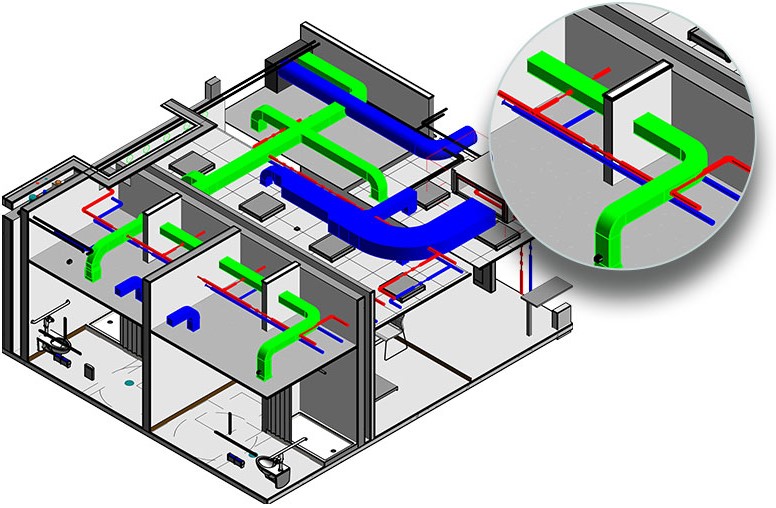
Detailed MEP modeling
-
Clash detection & reports
-
IFC preparation
-
Model updates after coordination
The design intent stays with the consultant.
The execution workload is shared.
MEP BIM Outsourcing Europe: When It Makes Sense
Outsourcing works best when:
-
BIM is mandatory but internal capacity is limited
-
Projects require strict ISO 19650 compliance
-
Multiple disciplines need continuous coordination
-
Deadlines do not allow repeated redesign
It does not work when:
-
Design intent is unclear
-
BIM standards are undefined
-
Communication is irregular
Clear scope and standards are critical.
Practical BIM MEP Compliance Checklist (Europe)
Use this checklist on every BIM-based project:
-
⬜ BIM Execution Plan reviewed
-
⬜ ISO 19650 file naming followed
-
⬜ Correct levels and grids set
-
⬜ MEP zoning defined early
-
⬜ Clash detection done stage-wise
-
⬜ IFC export tested before submission
-
⬜ Model parameters completed
-
⬜ Common Data Environment used
-
⬜ Revisions tracked properly
-
⬜ Coordination sign-off recorded
Skipping these steps is the main reason BIM projects fail.

Final Thoughts
BIM MEP rules in Europe are not designed to make life difficult.
They are meant to:
-
Reduce construction risk
-
Improve coordination
-
Increase accountability
But without proper processes, they create pressure.
Successful consultants are not those who model more —
they are those who manage BIM smarter.
Whether handled internally or with external BIM support,
clarity, structure, and coordination always win.
FAQs
What are the new BIM MEP rules in Europe?
Most European projects now require BIM-based MEP coordination aligned with ISO 19650, including structured data, clash detection, and IFC deliverables.
Is BIM mandatory for MEP consultants in Europe?
For public and many large private projects, BIM is mandatory and part of contractual compliance, not optional documentation.
What is ISO 19650 in simple terms?
ISO 19650 is a standard that defines how BIM information is created, shared, named, and controlled throughout a project lifecycle.
Why do BIM MEP projects fail during coordination?
Failures usually occur due to late BIM involvement, unclear standards, missing data, or lack of early coordination between disciplines.
When should MEP BIM outsourcing be considered?
Outsourcing is useful when internal teams are overloaded, BIM compliance pressure is high, or strict ISO-based documentation is required.
Does outsourcing BIM mean losing design control?
No. Design decisions remain with the consultant. Outsourcing supports modeling, coordination, and documentation execution.
In today’s European projects, BIM is no longer about creating models — it is about managing responsibility, coordination, and information accuracy.
- BIM365Understanding BIM compliance, coordination problems, and why many European projects now rely on external MEP BIM support
BIM MEP Compliance in Europe
European BIM rules focus on how information is managed, not just drawings.
At the center of this system are:
-
ISO-aligned workflows
-
Structured data
-
Coordinated MEP models
-
Clear responsibility ownership
This blog acts as a pillar guide and links to deeper topics that consultants often search for, such as:
-
BIM coordination failures
-
ISO 19650 confusion
-
IFC delivery problems
-
Outsourcing BIM production safely

